
Introduction
In the modern business world, technology is no longer just a support department; it is the engine of the entire company. Every major industry—from banking to healthcare—is currently undergoing a massive digital transformation. However, many of these companies struggle because they have the right goals but the wrong processes. They try to move fast, but manual work and old-fashioned “silos” slow them down. This is why the industry has shifted its focus toward the Certified DevOps Professional (CDP).
This certification is not just about learning how to use a few software tools. It is about understanding how to build a culture of high performance. For a company to succeed today, it needs engineers who can bridge the gap between business requirements and technical execution. The CDP provides that bridge. It ensures that your engineering team isn’t just writing code, but is building a resilient, automated system that can scale to meet any demand.
Strategic Certification Overview
What does the Certified DevOps Professional (CDP) path look like at a high level?
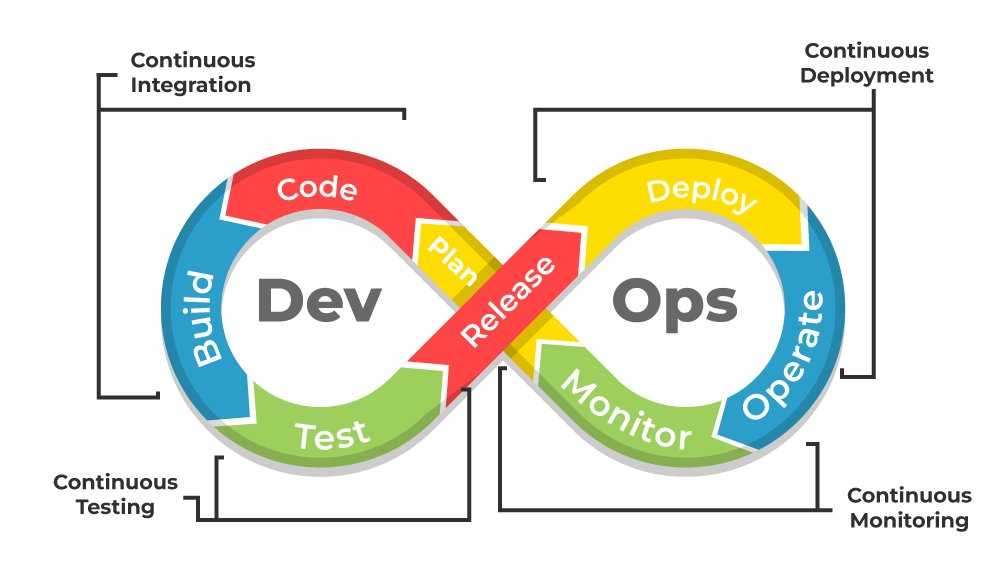
The CDP is a professional-grade roadmap. It is designed to take an experienced professional and give them the specific, hands-on skills needed to lead a DevOps transformation. It covers everything from the initial code commit to the final production monitoring, ensuring a 360-degree view of the software lifecycle.
| Track | Level | Who it’s for | Prerequisites | Skills Covered | Recommended Order | Official Link |
| DevOps | Enterprise Professional | Tech Leads, Managers, Senior Engineers | Strong IT fundamentals | Enterprise CI/CD, K8s, IaC, DevSecOps | Professional Level | CDP |
Why DevOpsSchool is the Right Choice for Your Team?
Why do leading organizations trust DevOpsSchool for their engineering talent?
When you are looking for training, you have to look beyond simple video tutorials. DevOpsSchool has spent years refining a curriculum that is built specifically for the needs of the modern enterprise. Their approach is unique because it blends deep technical knowledge with the practical “soft skills” required to lead a team. They understand that a DevOps professional needs to be a problem solver, a communicator, and a technical expert all at once.
How does the DevOpsSchool ecosystem support long-term learning?
The biggest challenge in IT is how fast things change. DevOpsSchool solves this by providing lifetime access to their library and a thriving community of experts. This means that even after you finish your certification, you still have a place to go when you encounter a new problem at work. Their hands-on labs are hosted in real cloud environments, meaning the skills you practice are exactly the same ones you will use on Monday morning at your job.
A Deep-Dive into the CDP Pillars
What is the core philosophy of the Certified DevOps Professional certification?
The CDP is built on the idea of “Continuous Everything.” This means continuous integration, continuous delivery, and continuous feedback. In this program, you learn how to eliminate the “waiting time” that kills productivity in most companies. You aren’t just an engineer; you become a “Force Multiplier” for your entire organization.
Who is the perfect candidate for this level of certification?
This is specifically for the “Senior” or “Lead” level individual. It is for the Software Engineer who is ready to move into a leadership role, or the Engineering Manager who needs to know exactly how to guide their team toward better automation. It is for anyone who is tired of slow release cycles and wants to implement a modern, high-speed way of working.
What are the primary technical skills you will walk away with?
- Enterprise-Scale Version Control: You will master how to manage thousands of code changes across hundreds of developers without losing track or breaking the build.
- Advanced Orchestration with Kubernetes: You will move beyond the basics and learn how to manage complex, multi-service environments that span across different cloud providers.
- Infrastructure as Code (IaC) Architecture: You will learn how to design infrastructure that is modular, reusable, and safe to change, using industry-standard tools like Terraform.
- Continuous Monitoring & SRE Principles: You will learn how to set up “Self-Healing” systems that can detect a failure and fix it automatically, keeping your website online 24/7.
- DevSecOps Integration: You will gain the skills to build security checks directly into the pipeline, so that “Security” is no longer a bottleneck but a feature.
What kind of real-world impact can you make after this certification?
- Reducing Time-to-Market: You will be able to take a feature from a developer’s idea to a live customer in hours instead of weeks, giving your company a massive competitive advantage.
- Optimizing Infrastructure Costs: You will have the skills to identify wasted cloud resources and automate your servers so they only run when they are needed, saving your company money.
- Improving System Reliability: By implementing automated testing and monitoring, you will significantly reduce the number of bugs and crashes that reach your users.
What is the “7–14 Days” Sprint Plan for experienced leaders?
How can a senior professional prepare in a short window?
If you already have years of experience, your goal should be alignment. Spend the first 4 days aligning your knowledge with the official CDP framework. Spend the next 5 days doing deep-dive labs on the areas you use the least (perhaps Kubernetes or Terraform). Spend the final few days on mock exams that test your ability to make high-level architectural decisions under pressure.
What is the “30-Day Professional” growth plan?
How do you build a routine for certification success?
This plan is all about consistency. Spend Week 1 focusing on the “Culture” and “Process” of DevOps. Week 2 should be dedicated to mastering the CI/CD pipeline. Week 3 is for Containerization and Orchestration. Week 4 should be spent on Infrastructure as Code and the final project. This pace allows you to keep up with your full-time job while still making significant progress every day.
What is the “60-Day Mastery” plan for career changers?
How do you build a deep foundation from scratch?
In the first 20 days, ignore the fancy tools and focus on Linux, Networking, and the Command Line. These are the “muscles” you need for everything else. In the middle 20 days, start building simple pipelines and learning Git. In the final 20 days, take on the “big” topics like Kubernetes and Terraform. By Day 60, you won’t just have a certificate; you will have the mindset of a professional.
What are the most common preparation mistakes to avoid?
Why do some engineers fail to get the most out of their study?
The most common mistake is “Reading without Doing.” You cannot learn how to manage a server by reading a book; you have to break the server and learn how to fix it. Another mistake is ignoring the “Human” side. DevOps is as much about people and communication as it is about code. If you only focus on the tools, you are only learning half of the job.
Where does your career go after you earn the CDP?
What are the long-term growth opportunities?
- Within your track: Move into a DevOps Architect role, where you design the strategy for the entire company.
- Into a new track: Focus on Site Reliability Engineering (SRE) if you love the technical side of uptime and performance.
- Into Leadership: Use your technical depth to become a Director of Engineering or VP of Infrastructure.
Selecting Your Strategic Learning Path
How do you align your learning with your long-term goals?
- DevOps: Best for the leader who wants to oversee the entire software delivery machine.
- DevSecOps: Essential for those who want to specialize in protecting the company from the ever-growing list of cyber threats.
- SRE: The perfect choice for those who love math, data, and making sure systems never fail.
- AIOps: The path for the future-focused engineer who wants to use AI to manage massive amounts of system data.
- DataOps: For those who want to ensure that the company’s data is delivered as fast and accurately as its software.
- FinOps: A specialized, high-demand path for those who want to help the company master its cloud spending and ROI.
Role-to-Certification Mapping for Success
Which credentials will help you reach your specific career milestones?
- DevOps Lead: CDP + Kubernetes Certified Administrator (CKA).
- SRE Manager: CDP + SRE Practitioner + Advanced Observability.
- Cloud Architect: CDP + Professional Cloud Certification (AWS/Azure) + Terraform Specialist.
- Security Lead: DevSecOps Professional + Cloud Security Expert.
- VP of Engineering: Certified DevOps Leader + Executive Leadership Training.
Your Growth Roadmap Beyond the CDP
How do you stay ahead of the competition?
The CDP is your foundation, but the best engineers never stop growing. I recommend a “Layered” approach to your education.
- Layer 1 (The Core): Advanced Kubernetes Operator. Mastering orchestration is the most important skill in the cloud today.
- Layer 2 (The Shield): Certified DevSecOps Engineer. This ensures you are always building safe systems.
- Layer 3 (The Leader): Engineering Management Professional. This gives you the tools to lead people and manage projects at scale.
Institutions That Support Your Professional Journey
Who should you partner with for your certification?
- DevOpsSchool: The global leader in providing deep-dive, practical DevOps training that is focused on the needs of the enterprise.
- Cotocus: A specialized institution that excels in Cloud and Platform engineering tracks for modern technical teams.
- ScmGalaxy: A community-driven platform that provides a wealth of resources for anyone looking to stay current with open-source automation.
- BestDevOps: Focuses on the organizational and cultural side of transformation, helping teams work better together.
- devsecopsschool.com: The industry standard for learning how to bake security into the automation lifecycle.
Essential FAQs for Enterprise Professionals
Is the CDP certification worth the investment for a senior professional?
Answer: Absolutely. Even if you have been doing the job for years, the CDP provides a structured validation of your skills that is recognized globally. It fills in the gaps that occur when you are “self-taught” and ensures you are using industry best practices.
How does this certification help my company’s bottom line?
Answer: Companies with certified DevOps professionals release software faster, have fewer outages, and spend less on wasted cloud resources. It is one of the highest-ROI certifications an engineer can earn.
Do I need to be a developer to succeed in this program?
Answer: You need to understand the development process, but you don’t need to be a full-time coder. If you can write scripts and understand the logic of software, you have what it takes.
How is the CDP different from a vendor-specific certification like AWS?
Answer: Vendor certs teach you a single product. The CDP teaches you the engineering discipline. A CDP-certified pro can move from AWS to Azure to Google Cloud without any major issues because they understand the underlying principles.
Can this certification help me move into a management role?
Answer: Yes. It provides you with the high-level view of the engineering process that is required for management. It helps you talk about “systems” and “outcomes” rather than just “tools.”
What is the passing score for the CDP exam?
Answer: The exam is designed to be a fair test of your knowledge. If you have done the labs and followed the curriculum, you will find the passing threshold to be very reasonable.
Does the training include real-world case studies?
Answer: Yes. One of the best parts of the DevOpsSchool training is the focus on real enterprise scenarios—learning what to do when a migration fails or a cluster goes down.
How long does the certification last?
Answer: While the certificate doesn’t strictly expire, the best professionals refresh their knowledge every few years to stay current with the latest versions of tools like Kubernetes.
Can I take this certification if I am in a non-tech role (like Project Management)?
Answer: Yes, but you should focus on the “60-day Mastery” plan. Understanding the technical side will make you a much more effective Project Manager in a tech company.
What is the “Interview Kit” provided by DevOpsSchool?
Answer: It is a specialized set of resources, including mock interview questions and resume templates, designed to help you explain your new skills to recruiters and hiring managers.
Is there a focus on Open Source tools?
Answer: Yes. The CDP is heavily focused on the open-source ecosystem (Git, Docker, Kubernetes, Prometheus) because these are the tools that drive the modern cloud.
Will this help me manage a remote team?
Answer: Yes. DevOps is built for remote work. By automating your processes and infrastructure, you make it easy for a team to collaborate from anywhere in the world.
Testimonials from the Field
Arjun
“As a manager, I needed to lead my team through a major cloud move. The CDP gave me the technical authority I needed to make the right decisions and earn my team’s trust.”
Saanvi
“The transition from a developer to a Lead Engineer was made possible by the CDP. It helped me stop thinking about ‘my code’ and start thinking about ‘our system’.”
Rahul
“I’ve taken many certifications, but the CDP at DevOpsSchool was the most practical. I used what I learned on Day 1 to fix a major bottleneck in our release process.”
Ananya
“The focus on security in the CDP was a game-changer for me. I can now confidently say that our automated pipelines are just as safe as they are fast.”
Vikram
“If you are looking to lead a digital transformation, this is the place to start. It gives you the full picture of what a modern, high-performing engineering organization looks like.”
Conclusion
The Certified DevOps Professional (CDP) is the most important tool in an engineer’s or manager’s toolkit for the next decade. As the world moves faster, the companies that win will be the ones that master automation and culture. By earning your CDP, you aren’t just getting a certificate; you are becoming a leader in the most important movement in the history of technology. Start your journey today and build an engineering career that is future-proof.
