
Introduction
Taking care of your digestive system is an important part of overall health. The body depends on a complex network of organs to process food, absorb nutrients, and remove waste. When something disrupts this delicate system, it can affect daily life and long-term well-being. People often look for reliable information to understand how their digestive system works, what various conditions mean, and how medical professionals approach different health concerns. Platforms like GastroHospitals provide helpful resources to guide patients, families, and caregivers through these topics by gathering education, specialist information, and procedure guides in one place.
What Is Gastroenterology?
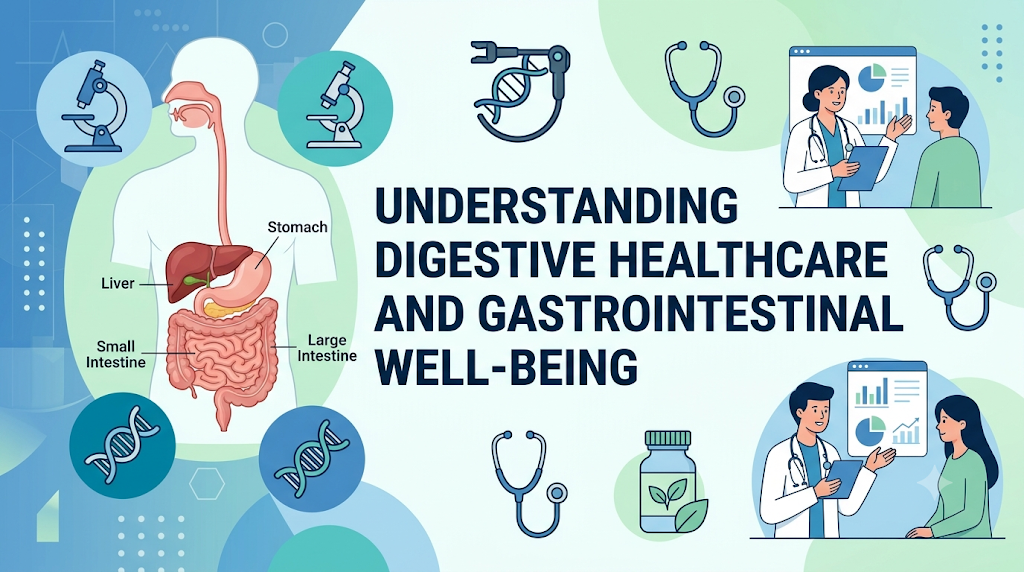
Gastroenterology is the branch of medicine focused on the digestive system and its disorders. The digestive tract is often referred to as the gastrointestinal tract, which includes several key organs working together. These include the esophagus, stomach, intestines, colon, liver, gallbladder, and pancreas.
Each organ plays a specific role. For example, the esophagus carries food from the mouth to the stomach, where digestion begins with the help of natural acids. The intestines and colon absorb nutrients and water while preparing waste for removal. Meanwhile, the liver, gallbladder, and pancreas produce vital juices and enzymes that help break down food properly. Gastroenterology studies how these organs function and how to address issues when they do not work as expected.
When Might Someone Need a Gastroenterologist?
A gastroenterologist is a medical specialist who has completed advanced training in diagnosing and treating conditions related to the digestive system. Individuals may consult this specialist when experiencing persistent or unusual symptoms that affect their stomach, gut, or other digestive organs.
Common reasons for a referral include ongoing abdominal discomfort, unexplained changes in bowel habits, chronic heartburn, or difficulty swallowing. A qualified healthcare professional can evaluate these symptoms carefully, run appropriate tests, and decide whether care from a specialist is necessary. Early evaluation helps ensure that underlying issues are understood and managed safely.
Understanding Digestive Disorders
Digestive disorders encompass a wide range of health conditions that affect any part of the digestive tract. Because the system is large and complex, problems can arise from infections, inflammation, structural changes, or lifestyle factors.
Some conditions develop suddenly, while others develop over a long period. These issues can disrupt normal digestion, leading to discomfort, pain, or nutritional imbalances. Understanding the basic nature of these disorders helps individuals recognize when to seek professional medical guidance rather than ignoring persistent physical signs.
Different Gastroenterology Treatment Approaches
When dealing with a gastrointestinal condition, medical professionals determine the right path based on a thorough diagnosis, the severity of the issue, and the patient’s overall health. Gastroenterology treatments vary widely depending on the specific diagnosis.
Treatment approaches may include simple dietary modifications, lifestyle adjustments, prescribed medications, or medical procedures. In some cases, ongoing management is necessary to control symptoms and prevent complications. Healthcare providers always tailor their recommendations to each individual’s unique situation, emphasizing the importance of professional medical assessment over self-treatment.
Common Conditions and Their Treatment Information
Digestive health encompasses many specific conditions that affect daily comfort. Learning about these common issues helps patients communicate more effectively with their medical providers.
- Gastroenteritis Treatment: Gastroenteritis is an inflammation of the stomach and intestines, often caused by viral or bacterial infections. Common signs include nausea, vomiting, diarrhea, and mild stomach cramps. Care typically focuses on keeping the body hydrated, resting, and allowing the digestive system to recover naturally while monitoring for warning signs.
- GERD Treatment: Gastroesophageal reflux disease happens when stomach contents repeatedly flow back up into the food pipe, causing a burning sensation known as heartburn. Management often involves eating smaller meals, avoiding trigger foods, elevating the head while sleeping, and using medications that reduce stomach acid under a doctor’s guidance.
- IBD Treatment: Inflammatory bowel disease involves chronic inflammation of the digestive tract, including conditions like Crohn’s disease and ulcerative colitis. Doctors manage these long-term conditions using specialized medications that calm the immune system and reduce inflammation, helping patients achieve periods of remission.
- Liver Disease Treatment: The liver performs vital filtering and metabolic functions. Liver conditions can result from infections, lifestyle factors, or other health issues. Care plans often focus on protecting liver function through medical therapies, dietary adjustments, and avoiding substances that place extra stress on the organ.
How GI Conditions Are Diagnosed
To understand what is happening inside the digestive tract, doctors rely on a series of diagnostic steps. These may include a detailed physical examination, a review of personal medical history, blood tests, imaging scans, and specialized internal examinations. These tools help healthcare providers pinpoint the exact cause of discomfort and design a safe, effective path forward.
Understanding Common GI Procedures
Diagnostic and therapeutic procedures allow doctors to view the inside of the digestive tract directly and treat certain issues during the same visit.
One of the most well-known examinations is the colonoscopy procedure. During this test, a flexible, lighted tube with a small camera is used to examine the lining of the large intestine and rectum. Doctors use it to check for inflammation, abnormal growths, or other concerns, and it can also be used to remove small tissue samples or polyps. Beyond this, a comprehensive procedure directory often covers various endoscopic interventions and advanced techniques designed to diagnose and manage internal digestive conditions safely.
When Surgery May Be Part of Digestive Care
When non-surgical treatments are not enough to resolve a complex digestive issue, gastrointestinal surgery may be considered. Surgical options vary depending on the specific organ and condition involved.
Common procedures include colectomy (removing part of the large intestine), gastrectomy (removing part or all of the stomach), anti-reflux surgery, gallbladder removal, pancreatic surgery, liver resection, and organ transplantation. Surgery is typically recommended only after careful medical evaluation when it offers the best chance for recovery or relief.
Finding and Understanding Hospital Information
Researching healthcare options requires looking at several important factors rather than relying on quick assumptions. When individuals look for the best hospitals for gastroenterology, they often explore institutions that feature dedicated digestive-care specialties, advanced diagnostic equipment, experienced specialists, and comprehensive patient support services. Understanding what facilities and services are available helps patients and their families feel more prepared when navigating complex medical decisions.
| Area of Digestive Care | What Readers May Research |
| Specialist Care | Understanding the role and expertise of a gastroenterologist |
| Digestive Conditions | Learning about symptoms, diagnosis, and general care information |
| Procedures | Exploring diagnostic methods such as the colonoscopy procedure |
| Surgery | Reviewing major types of gastrointestinal surgery and interventions |
| Hospital Research | Evaluating specialized departments and available medical services |
Comprehensive Digestive Healthcare Resources
Navigating digestive health involves exploring a wide array of educational resources. Platforms dedicated to this field bring together hospital discovery tools, specialist profiles, and detailed guides on various digestive diseases.
By centralizing information on liver care, pancreas health, inflammatory bowel conditions, and advanced endoscopy, these resources help individuals research treatments, understand different types of gastrointestinal surgery, and read patient-oriented educational articles. This knowledge bridges the gap between complex medical science and everyday understanding, empowering people to ask informed questions during their medical consultations. Published through resources like Cotocus, these insights remain focused on education and responsible health awareness.
Practical Step-by-Step Process for Researching Digestive Care
- Understand the health concern: Note any persistent physical symptoms or questions you want to explore.
- Learn about the condition: Read educational materials regarding relevant digestive disorders or symptoms.
- Research specialist care: Find out what a gastroenterologist does and how specialized evaluation works.
- Review procedures and treatments: Familiarize yourself with common diagnostic tests and therapeutic options.
- Consult a professional: Discuss your findings and health concerns with a qualified healthcare provider for personalized guidance.
Common Mistakes in Digestive Health Research
- Relying on hospital names alone without checking the specific services available.
- Confusing general educational information with personal medical advice or a formal diagnosis.
- Ignoring the importance of a proper professional medical evaluation.
- Assuming every digestive condition or symptom automatically requires surgery.
- Delaying a visit to a doctor when concerning or persistent symptoms appear.
Real-Life Example
Consider a hypothetical situation where a person experiences ongoing digestive discomfort and irregular stomach pain over several weeks. Instead of guessing the cause, they use educational health platforms to research common digestive disorders, learn about the role of a gastroenterologist, and read about diagnostic procedures. Armed with this general knowledge, they schedule an appointment with a qualified healthcare professional to receive an accurate evaluation and discuss appropriate next steps.
Frequently Asked Questions
What does a gastroenterologist specialize in?
A gastroenterologist specializes in diagnosing and treating disorders affecting the digestive tract, including the stomach, intestines, liver, gallbladder, and pancreas.
Is a colonoscopy painful?
A colonoscopy procedure is typically performed with light sedation or anesthesia to ensure the patient remains comfortable and relaxed throughout the test.
What are the common signs of digestive disorders?
Common signs include persistent abdominal pain, bloating, chronic heartburn, unexplained weight changes, and irregular bowel habits.
Can lifestyle changes help manage GERD?
Yes, managing GERD often involves dietary adjustments, eating smaller meals, avoiding trigger foods, and staying upright after eating.
When should someone see a doctor for digestive issues?
Professional medical attention should be sought if symptoms are persistent, severe, worsening, or interfering with daily life.
What is the purpose of IBD treatment?
Treatment for inflammatory bowel disease aims to reduce chronic inflammation in the digestive tract and help patients maintain long-term remission.
Does every liver disease require surgery?
No, many liver conditions are managed through medications, lifestyle modifications, and ongoing medical monitoring rather than surgery.
How do diagnostic procedures help doctors?
Procedures allow doctors to directly view internal tissues, identify abnormalities, take tissue samples, and confirm an accurate diagnosis.
Conclusion
Understanding digestive healthcare helps individuals make sense of how the body works and when to seek professional help. From recognizing common digestive disorders and learning about gastroenterology treatments to understanding diagnostic tests and surgical options, knowledge is a powerful tool for wellness. Consulting qualified medical professionals ensures that every health concern receives the safe, personalized attention it requires.

